
 Testimonials
What a Coffee Shop in Pasig Learned About Real-World Loyalty Program Adoption
For many business owners, loyalty programs sound simple in theory.
Customers collect rewards, complete stamp cards, and return for future purchases.
But after visiting a coffee shop in Pasig that recently launched its digital loyalty program, we learned something important:
The biggest challenge isn't convincing customers that rewards are valuable.
It's making participation fit naturally into their everyday routine.
Two Weeks In, The Results Were Encouraging
The coffee shop had been using GoBalik for only about two weeks when we visited.
Despite being in the early stages, customers had already started engaging with the loyalty program. Some had accumulated multiple stamps, while at least one customer had already completed all 10 required stamps and qualified for a reward.
Staff also shared positive customer feedback.
Several customers described the digital rewards experience as "sosyal" and "astig" compared to traditional paper stamp cards.
For a newly launched loyalty program, these were promising signs.
Customers were participating.
Rewards were being earned.
And the staff found the system easy to use.
Yet the visit also revealed an important reality many businesses face when introducing new customer retention programs.
The Problem Wasn't Resistance
The Problem Was Friction.
One of the first observations from staff was that many customers simply didn't have time.
People were often rushing.
Some were on their way to work.
Others were grabbing coffee quickly before continuing their day.
When staff offered loyalty stamps, the response wasn't usually rejection.
Instead, customers often hesitated because they felt the process might take extra time.
In reality, scanning a QR code takes less than a minute.
But customer perception matters.
If a customer believes something will slow them down, even slightly, that perception becomes a barrier.
This wasn't a technology problem.
It was a behavior problem.
Some Customers Didn't Have Their Phones
Another challenge was surprisingly practical.
Some customers simply didn't have their phones available during purchase.
Others had weak mobile data connections.
Because the coffee shop is located in a crowded area, network congestion occasionally affected connectivity. In some cases, customers had to connect to a hotspot before completing the process.
Again, the issue wasn't whether customers liked the loyalty program.
The issue was whether participating was convenient at that exact moment.
This is an important distinction.
Customer retention tools succeed not only when they provide value, but when they require minimal effort from customers.
An Unexpected Discovery About Loyal Customers
One insight stood out more than anything else.
Some of the café's most loyal customers weren't interested in collecting stamps at all.
Not because they disliked the rewards.
Not because they didn't understand the program.
They simply didn't care.
They were already returning regularly.
They liked the coffee.
They liked the experience.
And they would continue visiting regardless of whether a reward was attached.
At first glance, this might sound like a problem.
But it's actually a reminder of what loyalty programs are designed to do.
Loyalty programs don't create loyalty out of thin air.
Instead, they help businesses identify loyal customers, reward them, and encourage repeat behavior among customers who may still be deciding where to spend their money.
The goal isn't to force every customer into a rewards system.
The goal is to make participation available for those who want it.
What This Means For Small Businesses
Many SMEs assume that if customers like rewards, adoption will happen automatically.
In practice, customer behavior is more complicated.
People forget.
People rush.
People leave their phones behind.
People postpone things they'll "do later."
And sometimes, even loyal customers don't feel the need to claim rewards.
Understanding these realities helps businesses set more realistic expectations when launching customer retention initiatives.
The first few weeks aren't only about measuring redemption rates or completed stamp cards.
They're about learning how customers actually behave.
A Small Lesson With A Big Impact
Our visit to this Pasig coffee shop reinforced something we've been learning from merchants across the Philippines.
Customer retention is not just about rewards.
It's about reducing friction.
The easier it is for customers to participate, the more likely they are to engage.
The easier it is for staff to explain, the more likely customers are to understand.
And the more naturally a loyalty program fits into everyday operations, the more valuable it becomes over time.
After only two weeks, the results were already encouraging.
Customers were earning rewards.
Staff were successfully issuing stamps.
And the business was gathering valuable insights about customer behavior.
Not bad for a program that was just getting started.
Sometimes the biggest wins don't come from the rewards themselves.
They come from understanding the customers behind them.
Merchant Spotlight
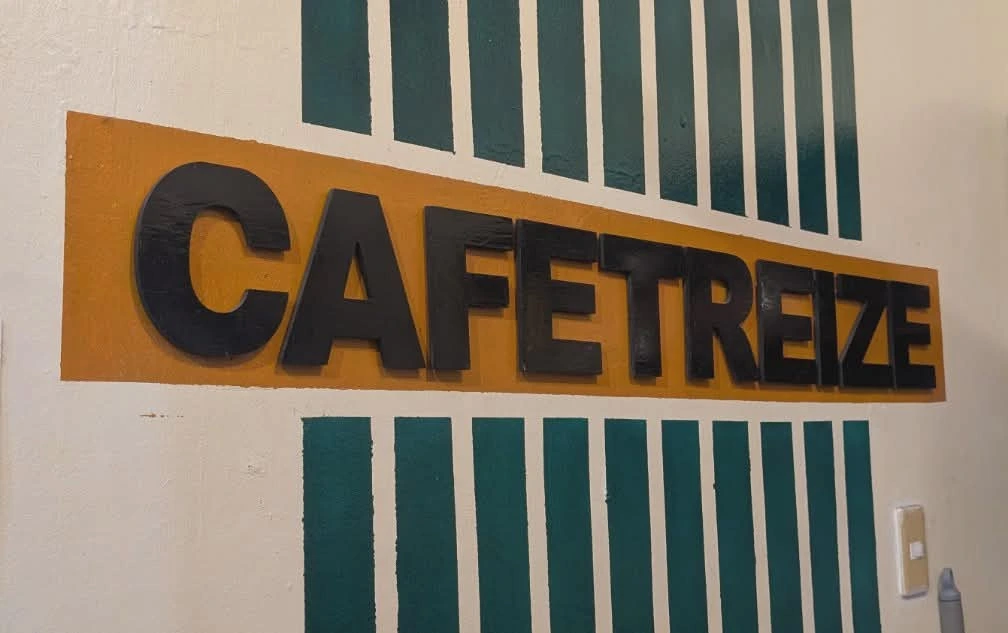
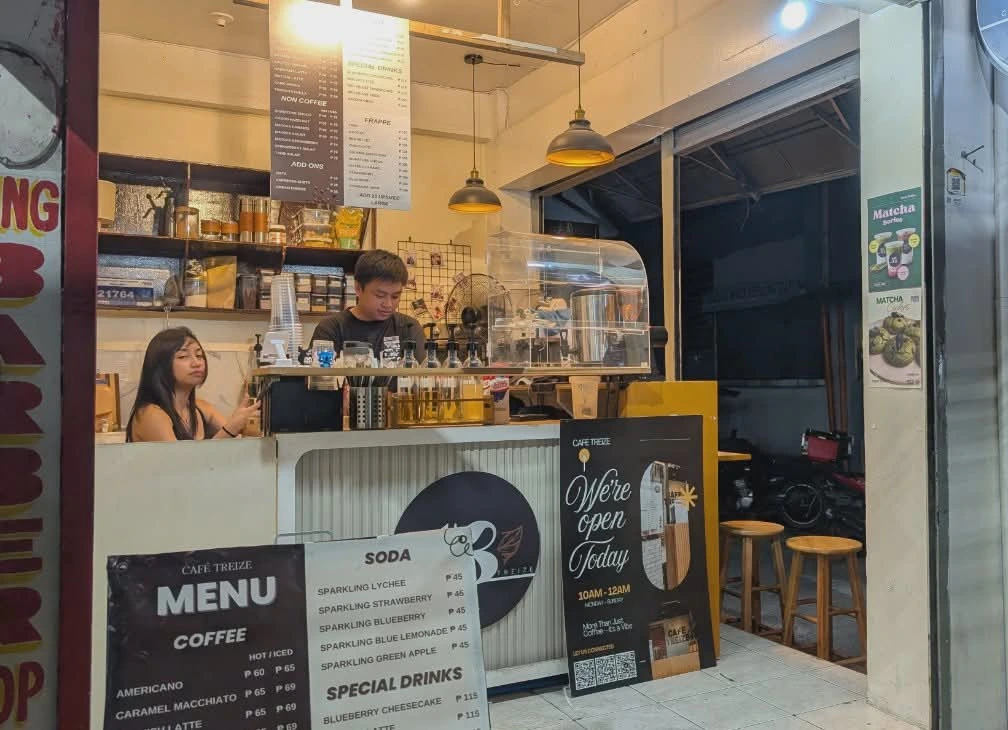
📍 1415 Monggo St., Napico, Manggahan, Pasig City
Looking for a neighborhood coffee shop in Pasig?
Café Treize offers good drinks for coffee lovers, students, remote workers, and customers looking for quality coffee.
Visit Cafe Treize:
About GoBalik
GoBalik is a digital customer retention platform built for Filipino businesses.
Using QR-based digital loyalty programs, merchants can reward repeat customers, encourage return visits, and build stronger customer relationships without requiring customers to download an app.
Whether you're running a coffee shop, salon, retail store, milk tea business, or specialty shop, customer retention starts with giving customers a reason to come back.
Related Articles
Tags